
Written by Pyra / Rant
Why I Started Change Music Asia
Talent is everywhere in Southeast Asia. Durable support is not.
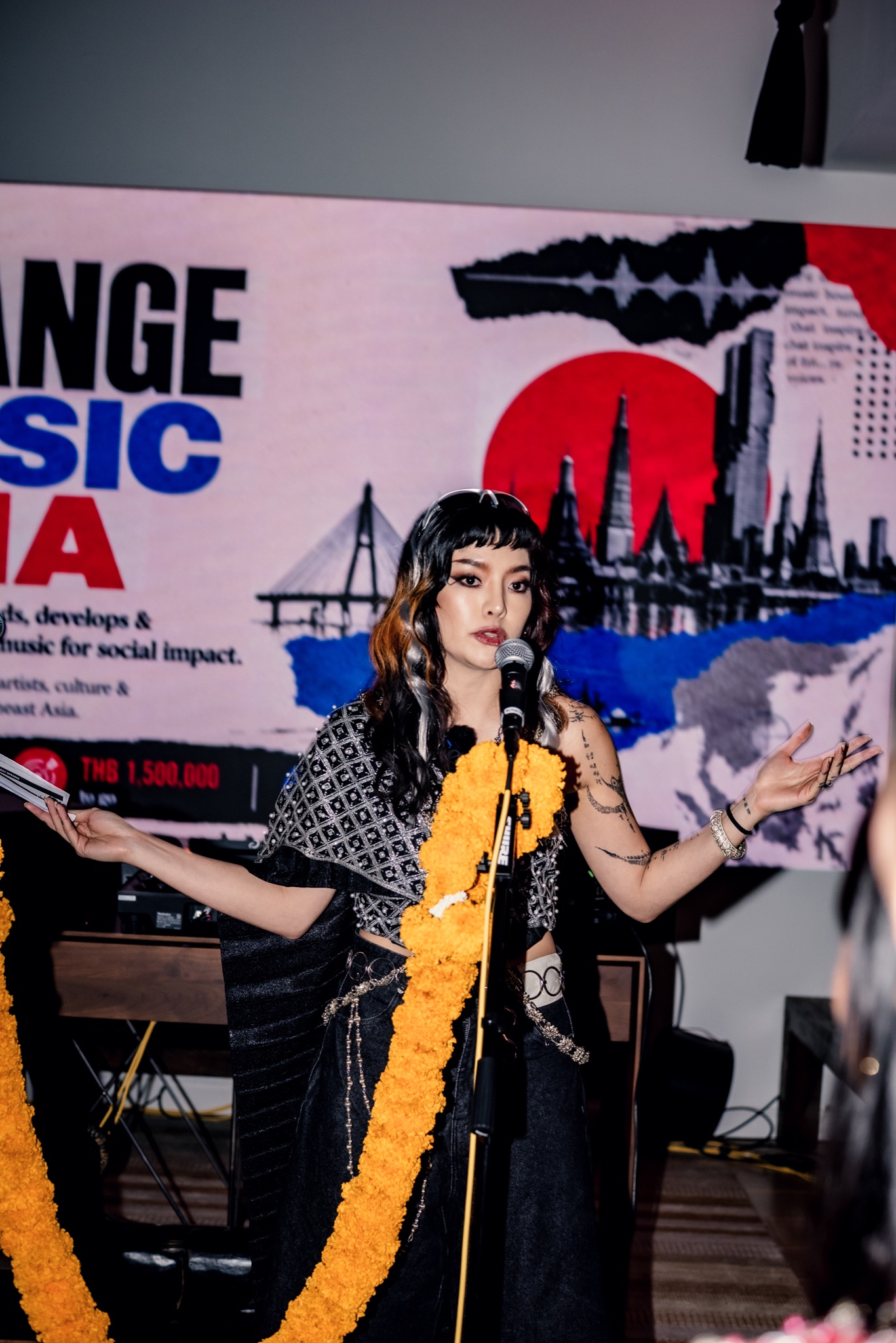
The gap I kept seeing
For most of my career, I learned to make things happen before the infrastructure knew how to support them. I wrote, produced, built decks, shaped visuals, contacted people, planned releases and found ways to carry the work beyond Thailand. That independence made me resourceful, but it also made one truth impossible to ignore: talent is not the scarce resource in Southeast Asia. Sustained support is.
Artists here are often expected to be the songwriter, producer, creative director, social media team, grant writer, export strategist and emotional support system at once. When the work carries a social message, the burden grows heavier. People celebrate the courage of the message while overlooking the material conditions required to keep the messenger working.
In 2026, I wrote a master plan that looked fifty years into the future and mapped everything I want to achieve. Launching an artist grant sat directly under 2026. Seeing it there turned a distant ambition into the first obligation on a lifetime plan.
Change Music Asia is not an appendix to my life as an artist. It is one of the structures that life was meant to produce. I started it because I refuse to let survival remain the region’s unofficial artist-development model.
Exposure is not infrastructure
Artists are regularly offered visibility as though it can replace money, time, mentorship or access. Sometimes an opportunity is genuinely useful. Sometimes it is unpaid labour wrapped in flattering language. The real test is whether the artist leaves with more capacity than they had before.
Change Music Asia is designed around three verbs: fund, develop and amplify. Funding creates room to work. Development helps an artist make stronger decisions without taking away ownership. Amplification connects the work to audiences and partners who can help it travel. None of those pieces is enough by itself.
A feature can create a moment. Infrastructure can create a career.
Social impact should not mean artistic compromise
Music with a social purpose is sometimes treated as education with a beat attached. I reject that bargain. The work still has to be ambitious, strange, emotionally precise and culturally alive. A message becomes more powerful when the art carrying it is impossible to forget.
Artists should also be free to speak from the conditions around them without translating every detail into a version that feels comfortable to outsiders. Southeast Asia is not one market, one language or one political reality. The point is not to flatten those differences into a campaign slogan. The point is to give artists enough support to make their specificity travel.
What success would look like
I do not measure success only by streams, headlines or international invitations. I want artists to retain ownership, build professional leverage, pay collaborators properly and remain able to create after the first grant or programme ends.
I want cultural institutions to see artists as partners in shaping society, not decorative additions to an agenda. I want young creators to encounter a regional network before they are forced to leave the region to find one. And I want people funding social change to understand that music is not background atmosphere. It is one of the ways a society imagines itself.
Change Music Asia is inseparable from my life as an artist. It is what happens when years of making, touring, negotiating and refusing to disappear become a structure that other artists can use.